
Faith & Spirituality Jul 2, 2026
Be Anxious for Nothing
Discover how God's faithfulness is woven throughout our everyday moments, and learn how recognizing His presence transforms our ability to surrender and trust.
Read More →
When I think about the greatest gifts I’ve ever received, my father’s service stands at the forefront. Two tours in Vietnam. Years of sacrifice, courage, and resilience. He gave so much to our country, often asking for nothing in return. But what struck me most was not the accolades or recognition—it was the quiet strength he carried, the stories he eventually chose to share, and the way those stories became my compass during my own time in uniform.
My father’s willingness to be vulnerable, to share the heartbreaking realities he faced during a different era of service, gave me strength when I needed it most. In his pain, I found perspective. In his resilience, I found hope.
He showed me that serving our country doesn’t diminish your humanity—it deepens it. And perhaps more importantly, he showed me that the burden of service is not meant to be carried alone.
Veterans return home changed. That’s not weakness—that’s reality. The transition from military to civilian life is profound, and it’s often misunderstood by those who haven’t walked that path.
The hypervigilance that kept you alive on deployment doesn’t simply turn off. The connections forged in service aren’t easily replicated in everyday life. The loss and trauma experienced—whether witnessed, experienced personally, or carried collectively—leaves marks that are invisible but deeply real.
Many veterans struggle to reacclimatize to civilian life in silence, believing they should just “move on” or “get over it.” They may experience:
The mental health crisis among veterans is real. Suicide rates, substance abuse, relationship breakdown, and emotional isolation are not signs of weakness—they are signs that our heroes need support.
They need people who understand that healing is possible, that asking for help is courageous, and that they are not alone in what they’re experiencing.
One of the most profound lessons my father taught me through his example is this: sometimes the greatest gift you can offer is simply to show up and be present.
Being present doesn’t require expertise. It doesn’t require you to have all the answers or to have served yourself.
It requires:
Listening without judgment. Many veterans hold stories they’ve never told because they fear judgment, rejection, or being misunderstood. Creating a safe space where they can share without shame is transformative.
Sitting in the quiet space. Some of the deepest healing happens in the silence between words. It’s in those quiet moments that a veteran may feel truly seen and supported—not rushed, not fixed, but simply held.
Honoring their experience. Acknowledge the sacrifice, the difficulty, the courage it took. Don’t minimize it. Don’t try to fix it with clichés or platitudes.
Consistency. Show up regularly. Let them know they can count on you. Many veterans have experienced abandonment or loss—reliable presence is healing.
Understanding that healing isn’t linear. Some days will be harder than others. Growth doesn’t happen on a timeline. Meeting people where they are, moment by moment, is what matters.
My father’s sacrifice and eventual openness created a ripple effect in my own life and service. I didn’t just inherit his strength—I inherited his responsibility to show up for others who are struggling with similar battles.
Paying it forward doesn’t always look like grand gestures.
It looks like:
This is why my work has evolved. After my own time in service, after my Master’s degree in Human Services, and after deepening my spiritual awareness, I realized that my calling was to create spaces where people—especially those who have served and those who are struggling to reacclimatize—feel truly supported.
The SOAR program was created for exactly this purpose. It’s a space where veterans, families, and anyone navigating life’s transitions can find consistent, compassionate support without shame or judgment.
It’s a space where presence is honored, stories are held with care, and healing can unfold at its own pace.
My father has given me more than I could ever repay. But I can honor that gift by showing up for others the way he eventually showed up for me.
I can create spaces where veterans feel seen. I can sit in the quiet spaces with those who are struggling. I can listen without judgment. I can remind them that their sacrifice matters, that their pain is valid, and that they don’t have to navigate this journey alone.
To all those who have served: thank you. Your sacrifice is not forgotten. Your struggle is real. Your need for support is not a weakness—it’s human.
And to the families and loved ones of veterans: thank you for your patience, your presence, and your love. Your consistent support is often what saves lives. Your willingness to sit in the quiet space with those you love is powerful beyond measure.
We are here to honor those who paved the way and to walk alongside those who are finding their footing in civilian life. Because true service doesn’t end when we take off the uniform—it continues in how we show up for each other.
If you or a loved one is struggling with the transition to civilian life, with trauma, grief, or isolation—you don’t have to do this alone. Reach out. There is support available. You are worthy of healing, and your story matters.
Discover how God's faithfulness is woven throughout our everyday moments, and learn how recognizing His presence transforms our ability to surrender and trust.
Read More →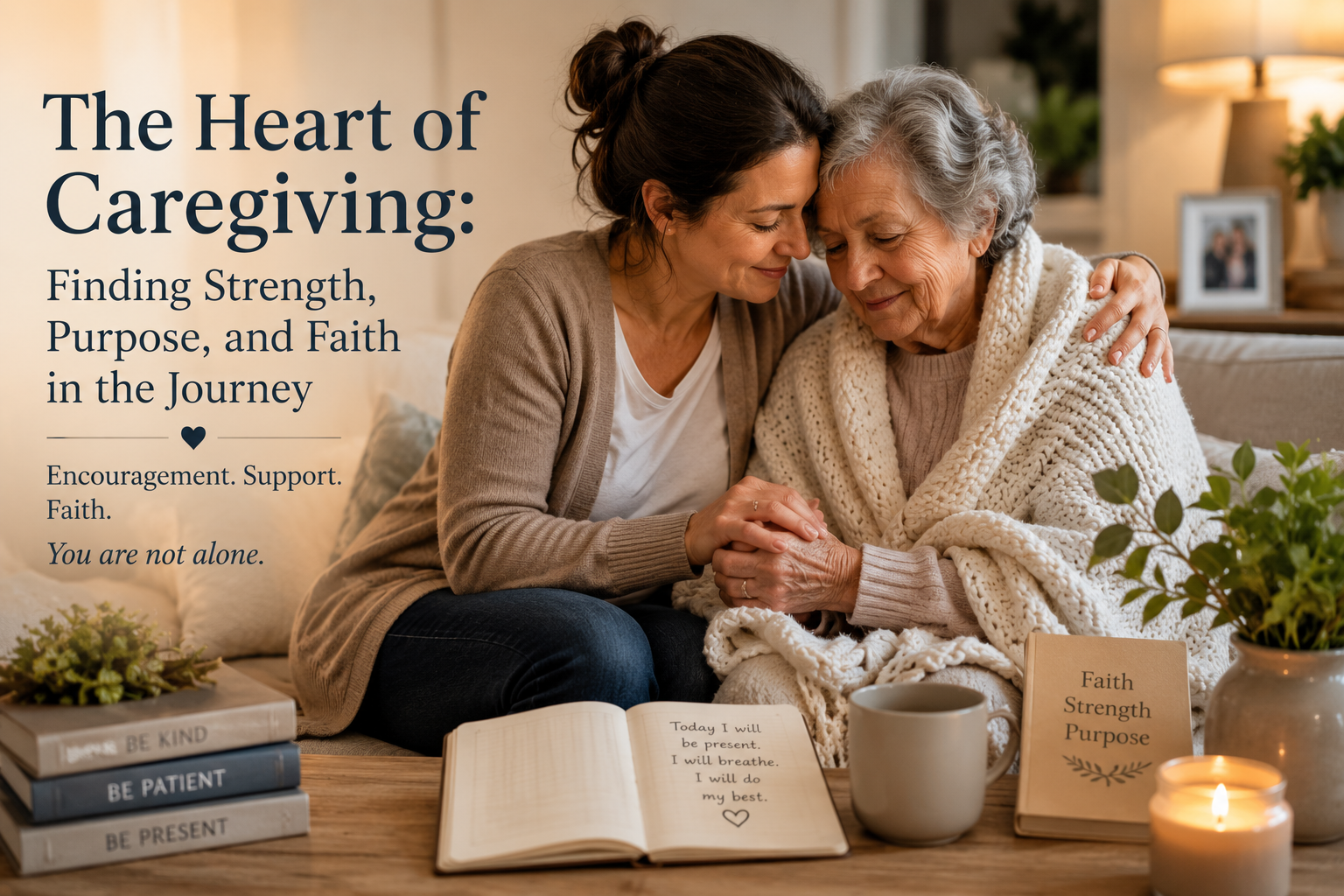
Exploring the profound meaning of caregiving, the challenges caregivers face, and how faith, compassion, and self-care sustain us through this sacred journey.
Read More →
A personal reflection on recognizing God's presence in everyday moments, divine guidance, and the gift of surrender.
Read More →These insights are meant to inspire and inform. Let's discuss how our compassionate services can support your unique journey.
Schedule a Conversation